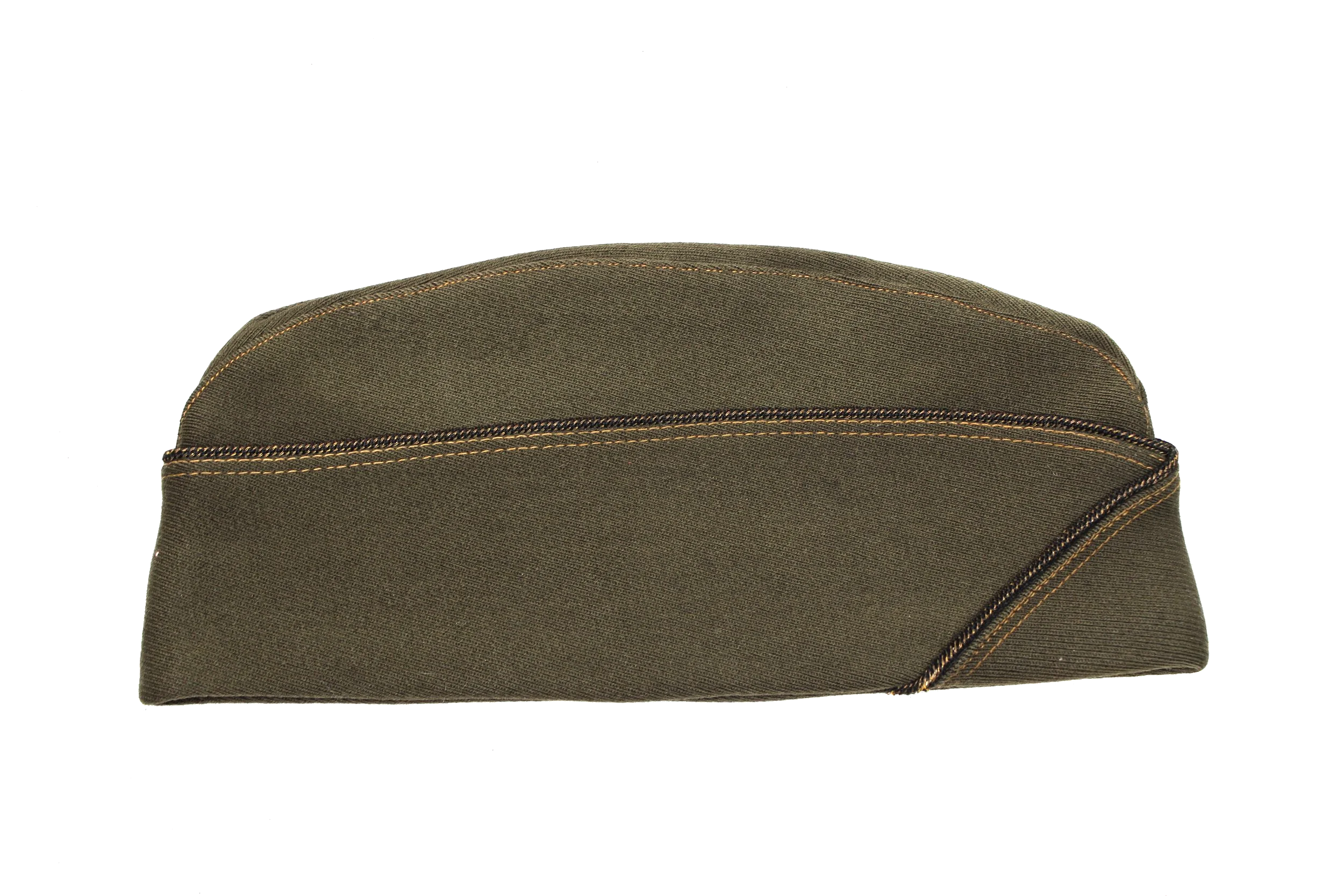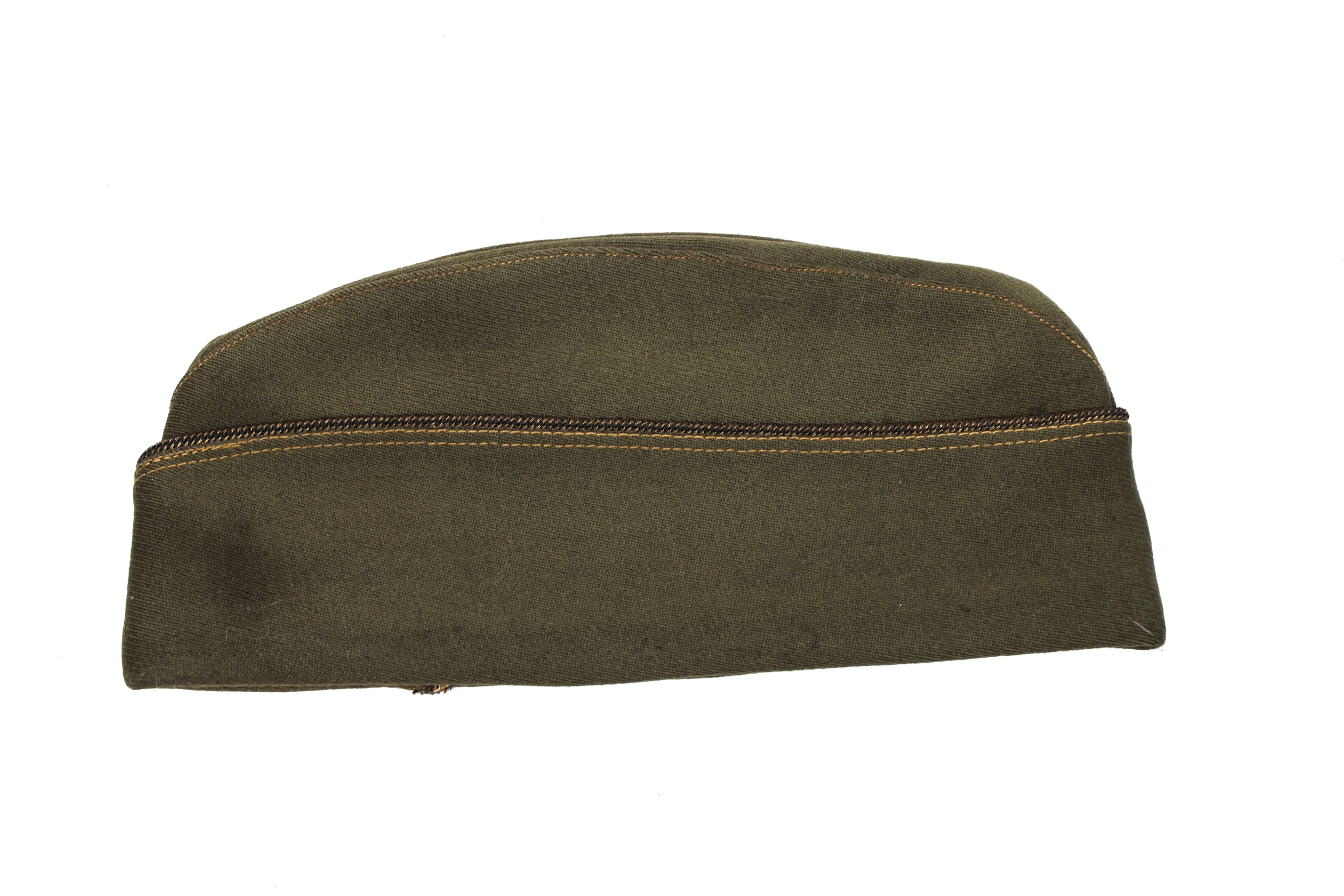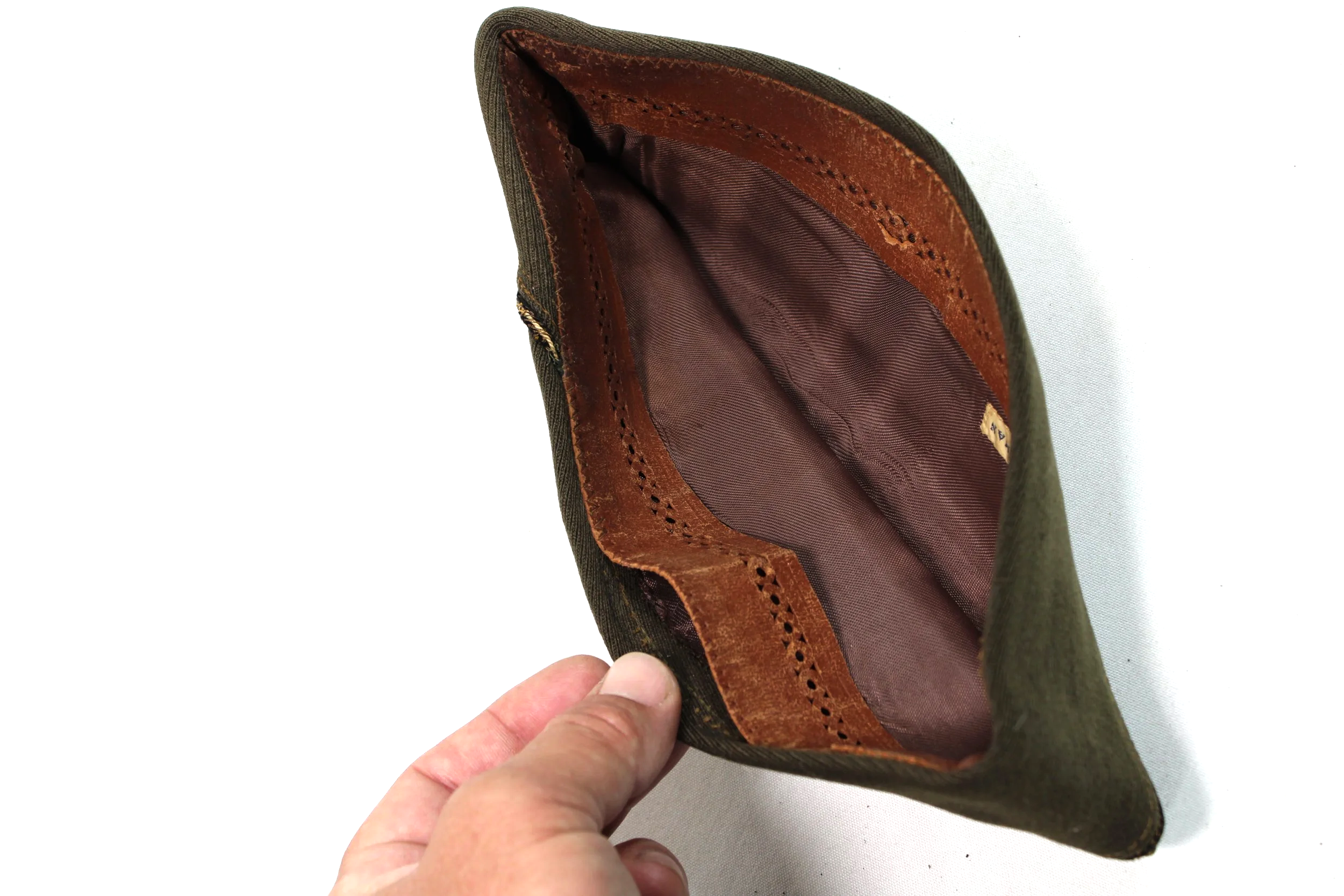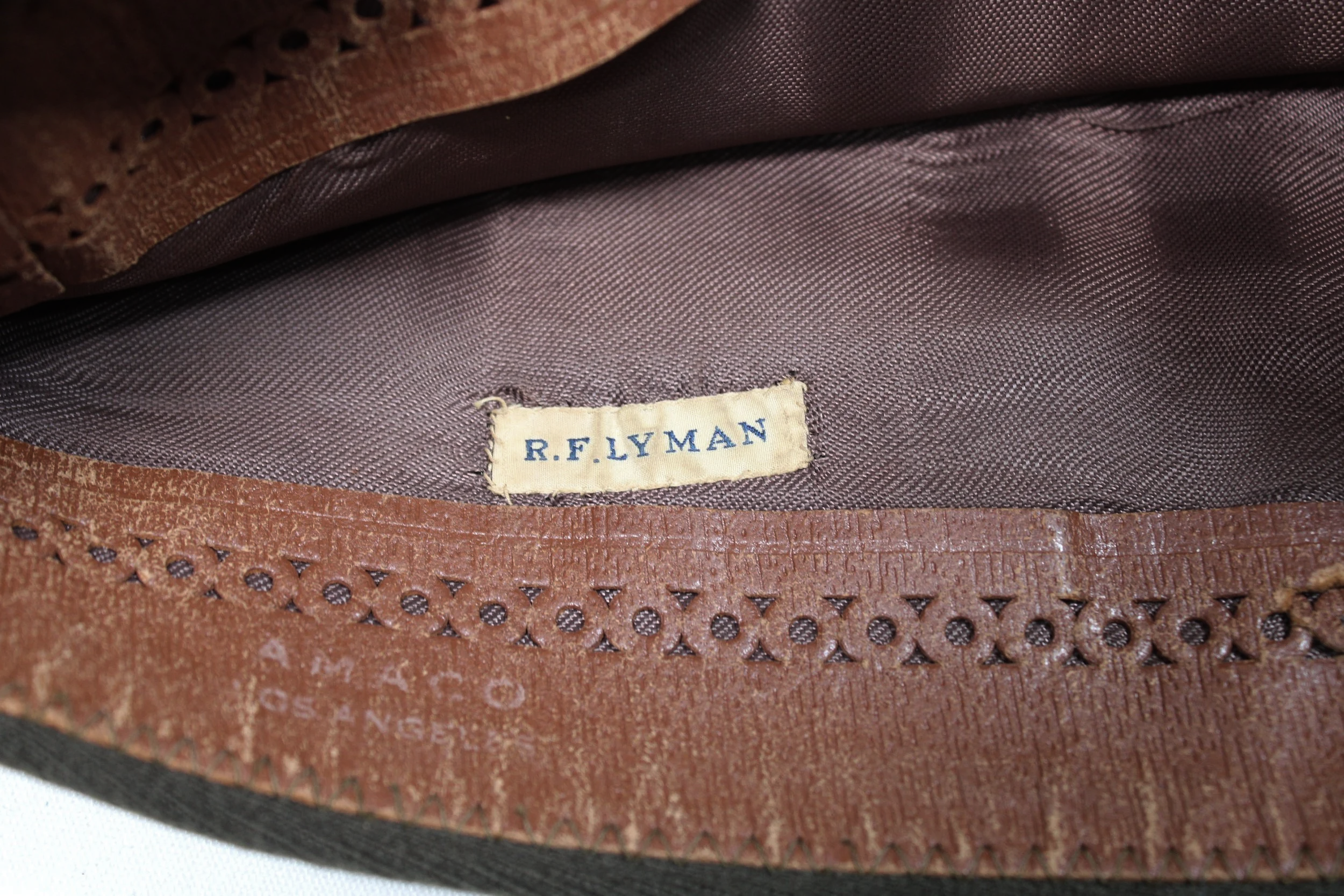
 Image 1 of 5
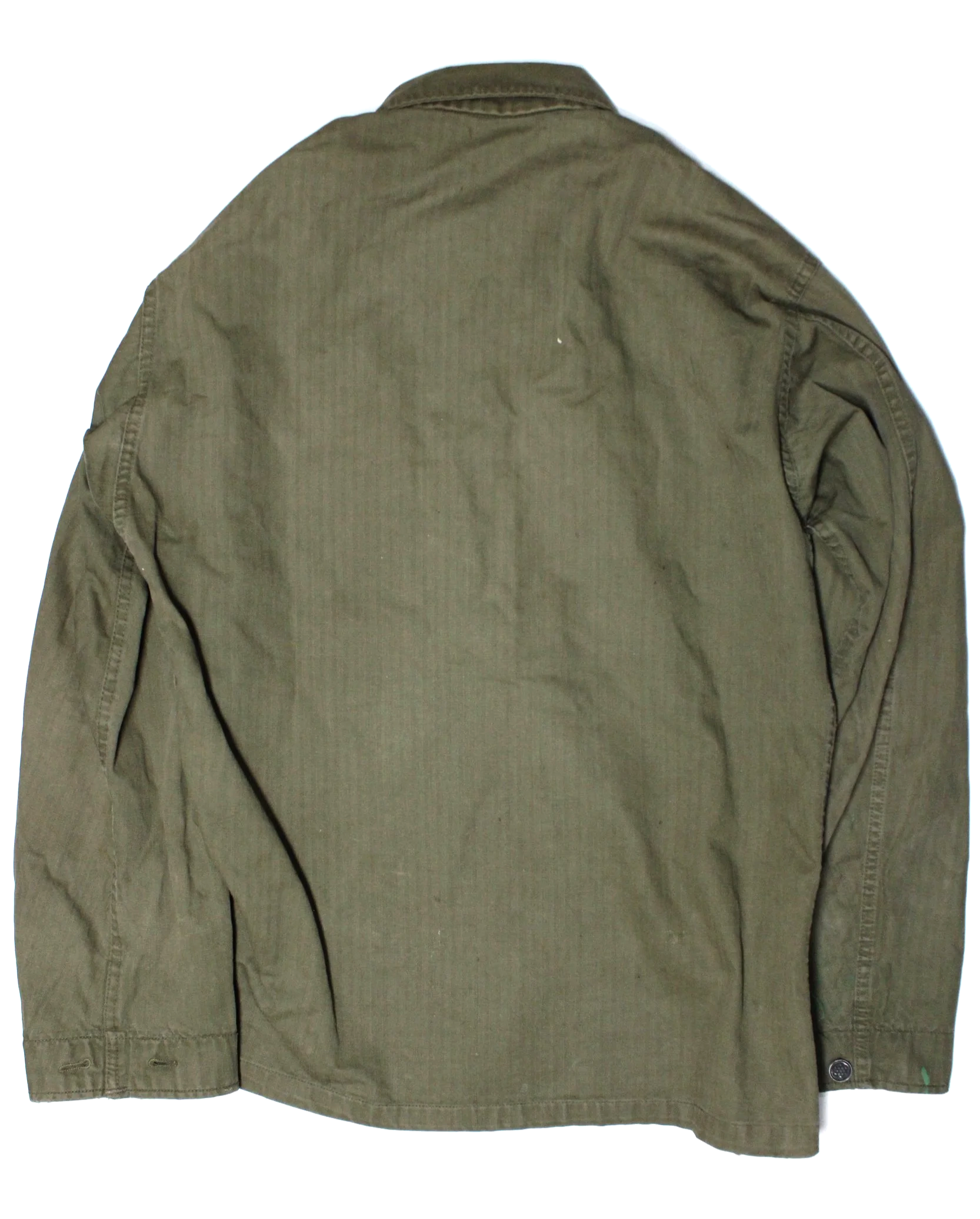 Image 2 of 5
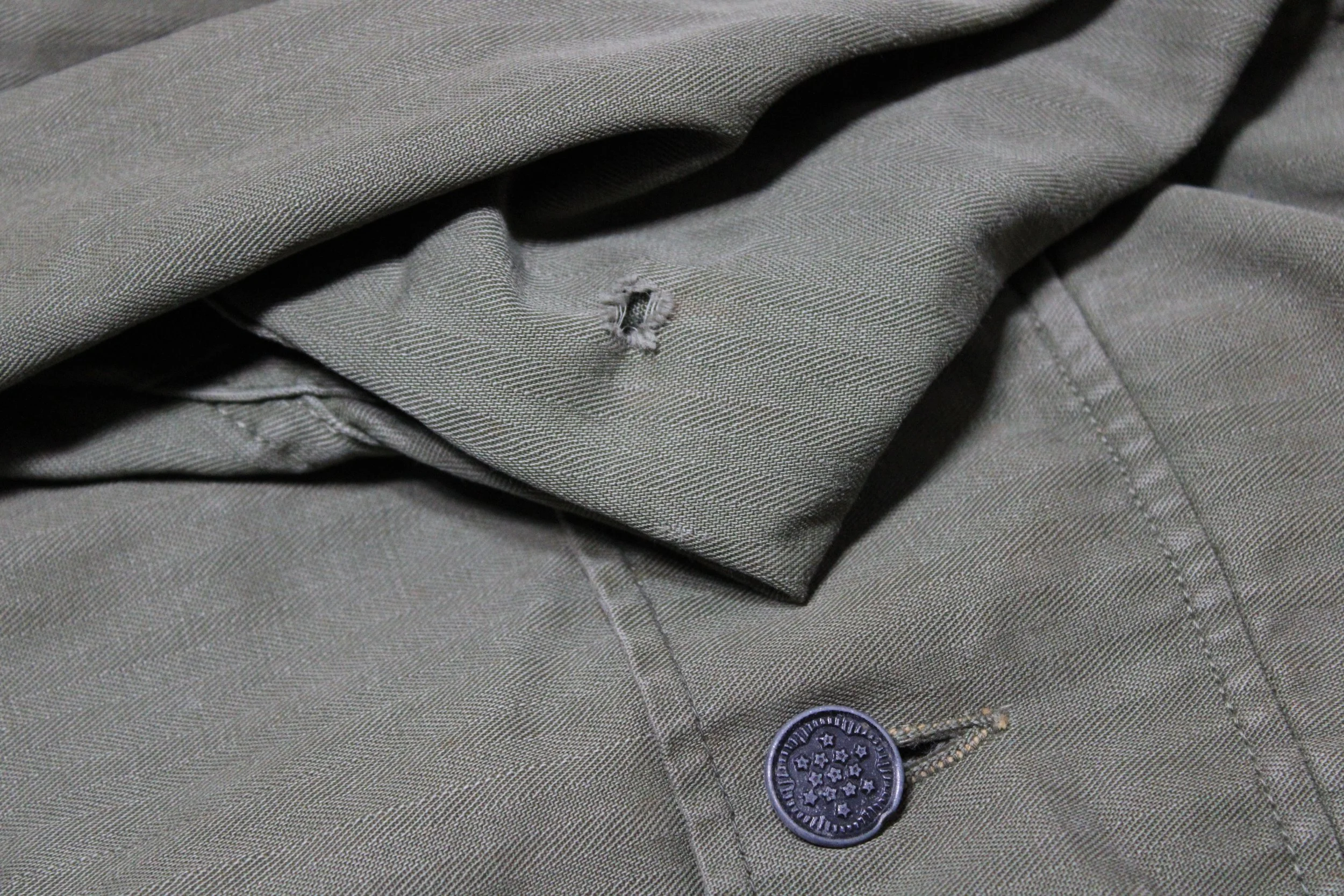 Image 3 of 5
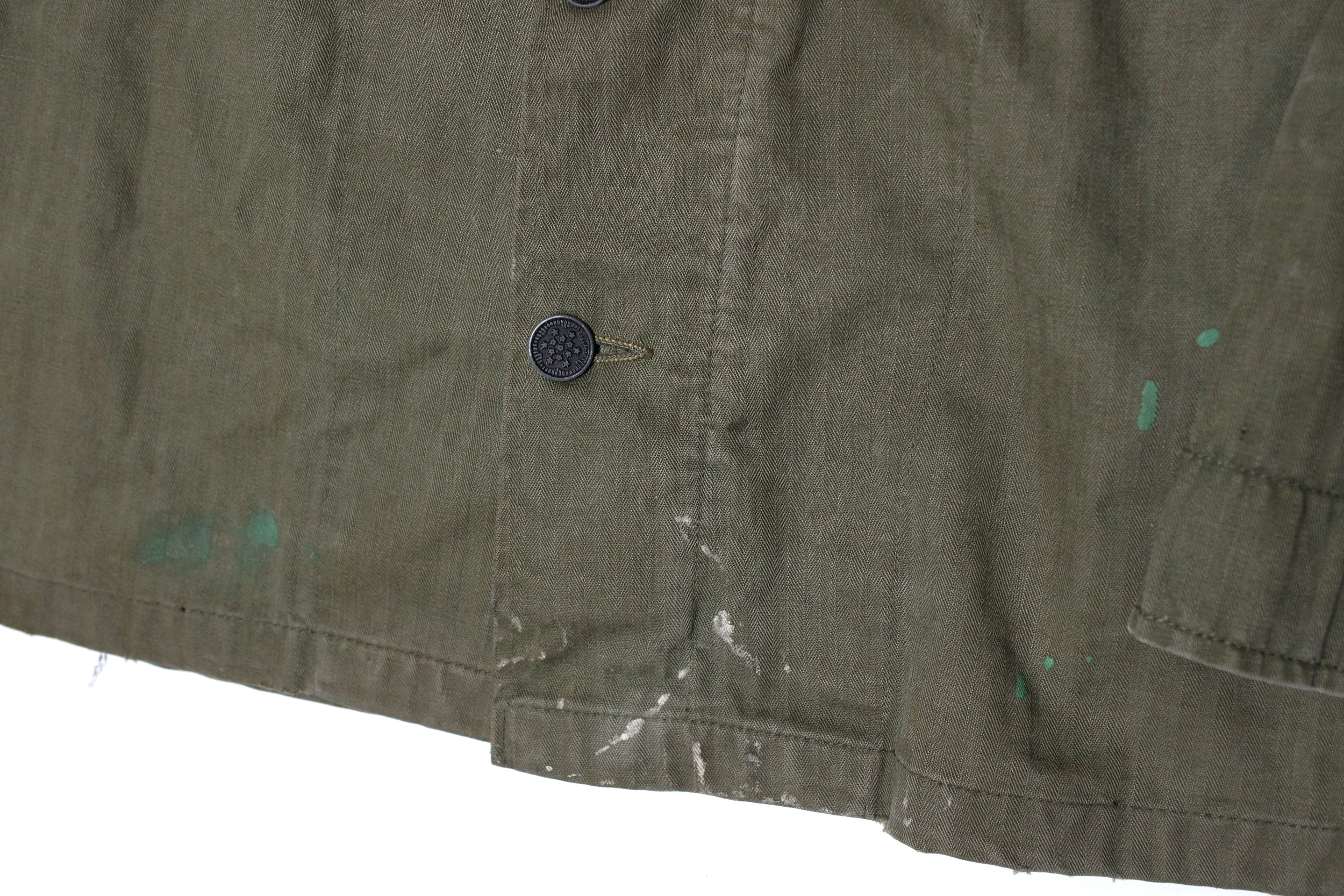 Image 4 of 5
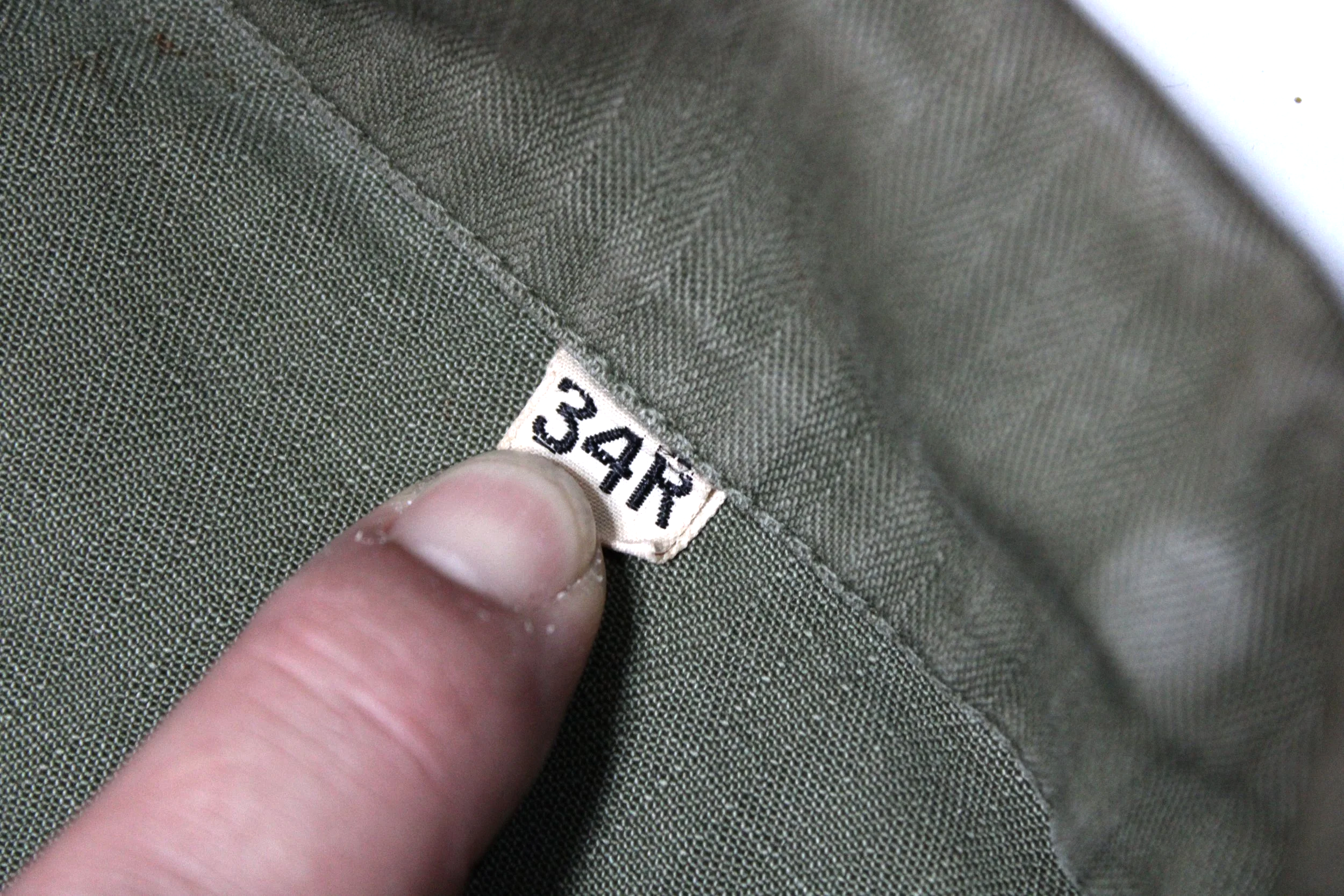 Image 5 of 5
Size 34R.
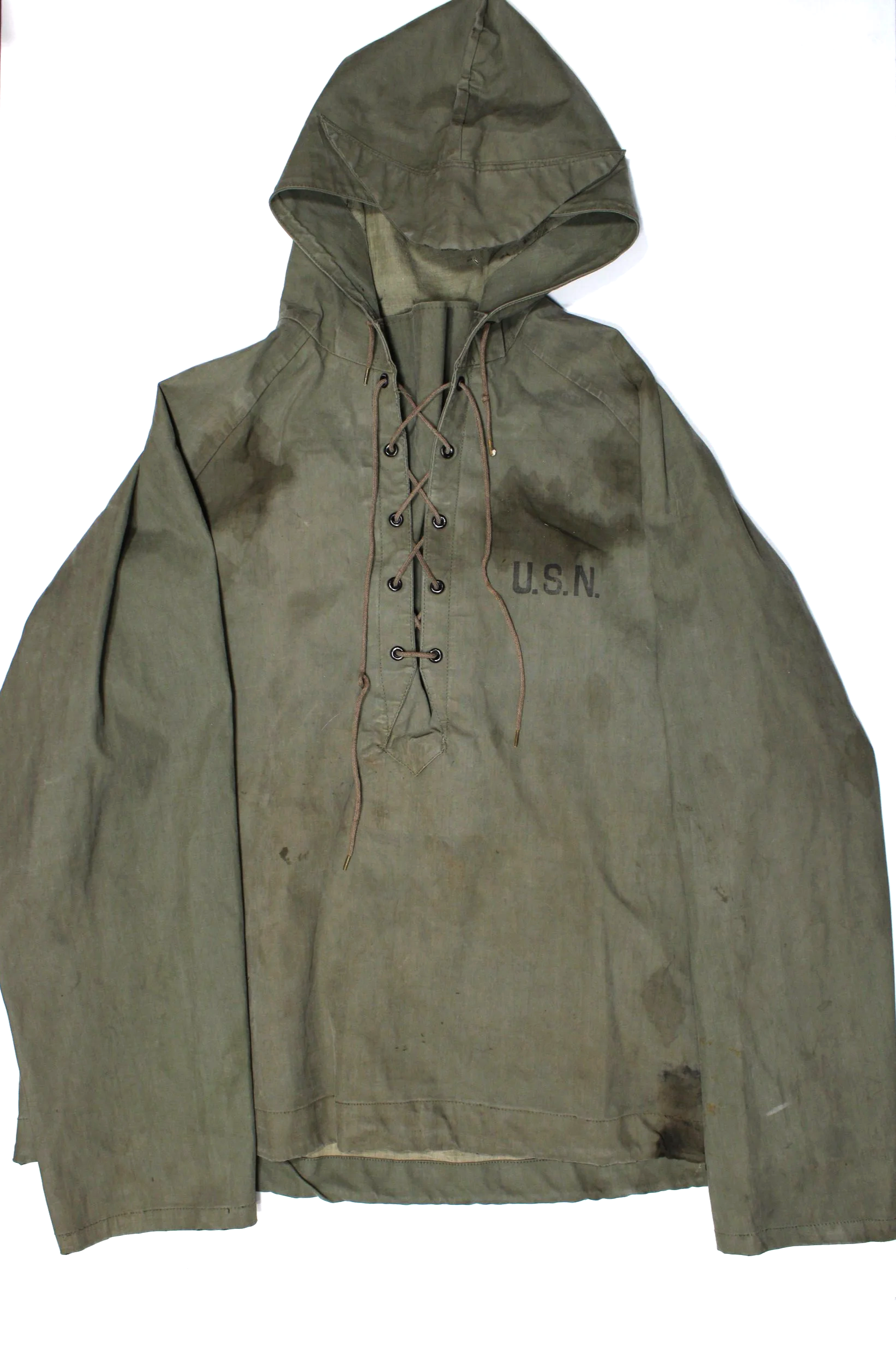
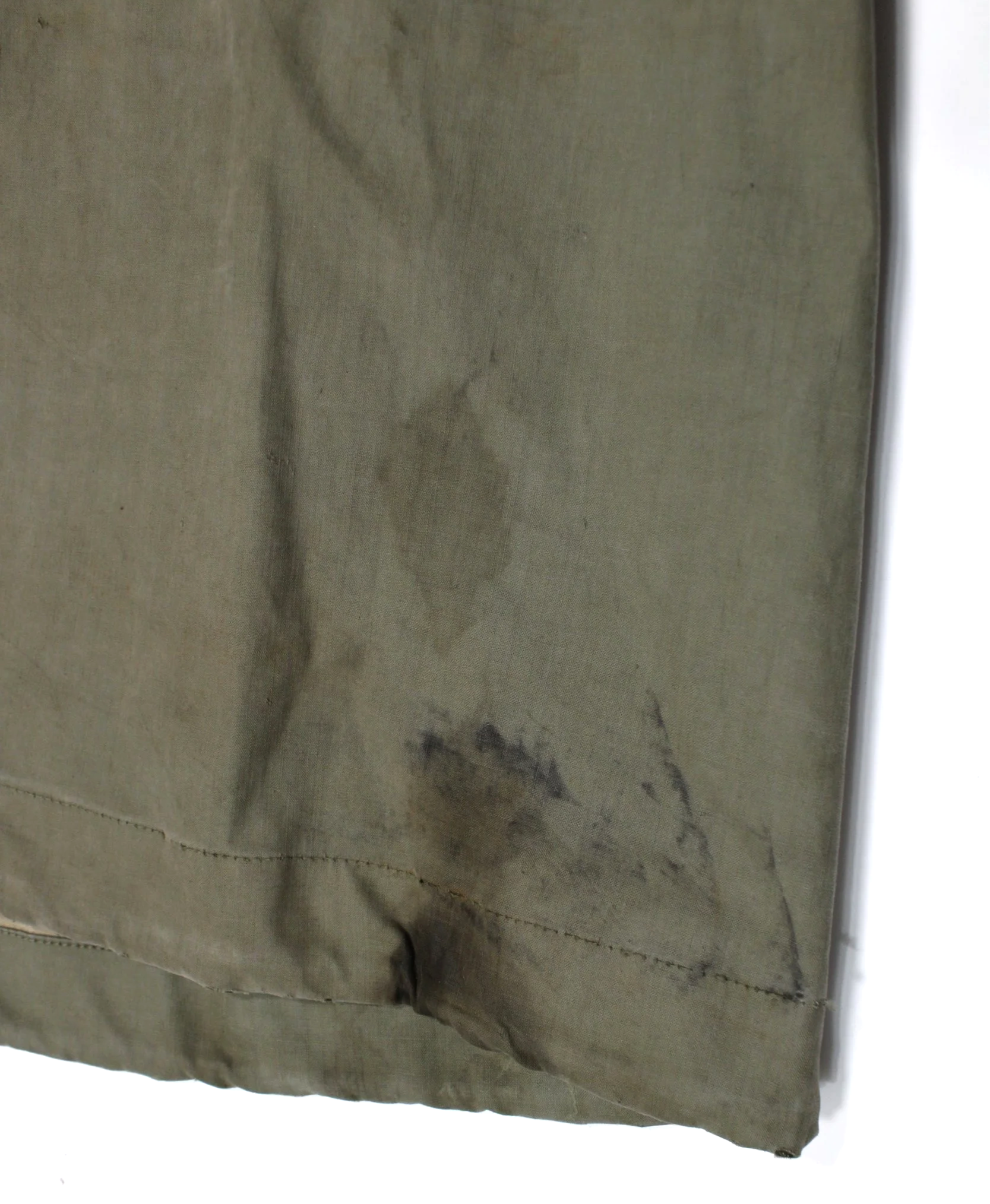
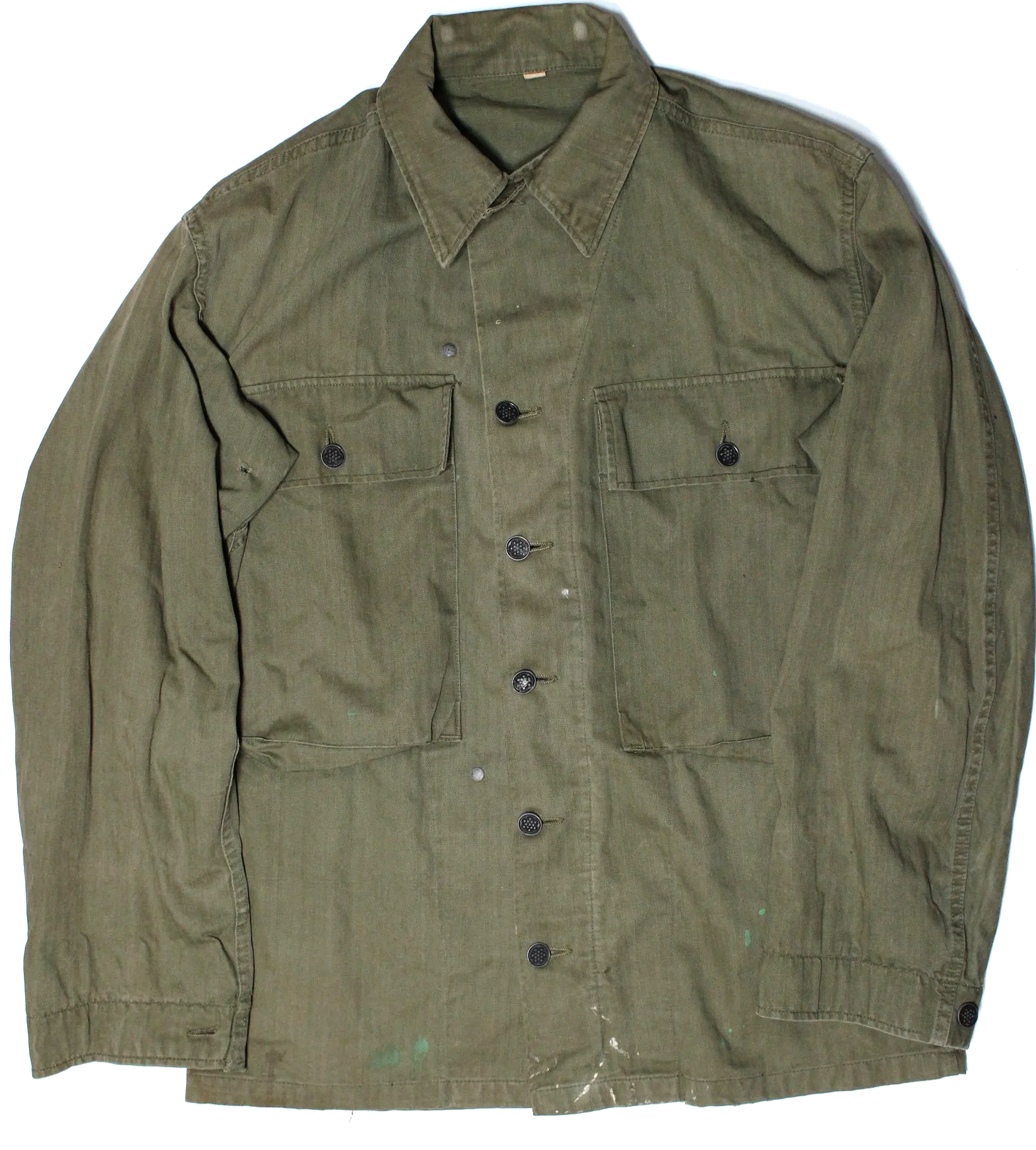
Overall good condition with one small hole in armpit and small paint stains on lower front.
An HBT (Herringbone Twill) 13-Star Jacket is a classic WWII U.S. military fatigue jacket known for its durable, breathable cotton fabric, distinctive 13-star metal buttons (representing the original colonies), gas flap for chemical protection, and functional design like chest pockets, worn by soldiers in various theaters, particularly in warmer climates, with reproductions available for collectors and enthusiasts.
Key Features
Fabric: Sturdy, breathable Herringbone Twill (HBT) cotton, often in sage green (OD8) or olive drab (OD7).
Buttons: Black-painted metal tack buttons featuring 13 stars, a hallmark of authenticity.
Gas Flap: An internal flap behind the front closure for protection against chemical warfare agents.
Pockets: Square-cut or pleated chest pockets, with variations between first and second patterns.
Design: Waist-length, often with adjustable waist tabs and bi-swing back for movement.
Historical Context
Introduction: The HBT uniform was introduced in 1941 as a fatigue uniform for the U.S. Army.
Patterns: Different patterns emerged, with the second pattern (1942) featuring simplified designs and larger pockets.
Usage: Worn by all Army personnel in all theaters during WWII, especially effective in hot environments like the Pacific.
Variations & Collecting
Originals vs. Reproductions: Collectors seek original vintage jackets, while modern reproductions offer the look with accurate details.
Color Fading: Original greens often faded to lighter shades, sometimes intentionally dyed darker.
Details: Collectors look for specific details like original spec labels, stitching, and wear patterns.
Size 34R.
Overall good condition with one small hole in armpit and small paint stains on lower front.
An HBT (Herringbone Twill) 13-Star Jacket is a classic WWII U.S. military fatigue jacket known for its durable, breathable cotton fabric, distinctive 13-star metal buttons (representing the original colonies), gas flap for chemical protection, and functional design like chest pockets, worn by soldiers in various theaters, particularly in warmer climates, with reproductions available for collectors and enthusiasts.
Key Features
Fabric: Sturdy, breathable Herringbone Twill (HBT) cotton, often in sage green (OD8) or olive drab (OD7).
Buttons: Black-painted metal tack buttons featuring 13 stars, a hallmark of authenticity.
Gas Flap: An internal flap behind the front closure for protection against chemical warfare agents.
Pockets: Square-cut or pleated chest pockets, with variations between first and second patterns.
Design: Waist-length, often with adjustable waist tabs and bi-swing back for movement.
Historical Context
Introduction: The HBT uniform was introduced in 1941 as a fatigue uniform for the U.S. Army.
Patterns: Different patterns emerged, with the second pattern (1942) featuring simplified designs and larger pockets.
Usage: Worn by all Army personnel in all theaters during WWII, especially effective in hot environments like the Pacific.
Variations & Collecting
Originals vs. Reproductions: Collectors seek original vintage jackets, while modern reproductions offer the look with accurate details.
Color Fading: Original greens often faded to lighter shades, sometimes intentionally dyed darker.
Details: Collectors look for specific details like original spec labels, stitching, and wear patterns.